How to Launch AI-Powered Digital Products and Side Hustles That Scale to $10K/Month in 2026
2AI-powered digital products and side hustles can realistically reach $10K/month in 2026, but only when they solve a specific pain point, use a clear distribution channel, and are treated like a business rather than a shortcut. The strongest opportunities are in templates, micro-SaaS, automation services, niche newsletters, AI consulting, and content systems that turn expertise into repeatable revenue.
Market Context
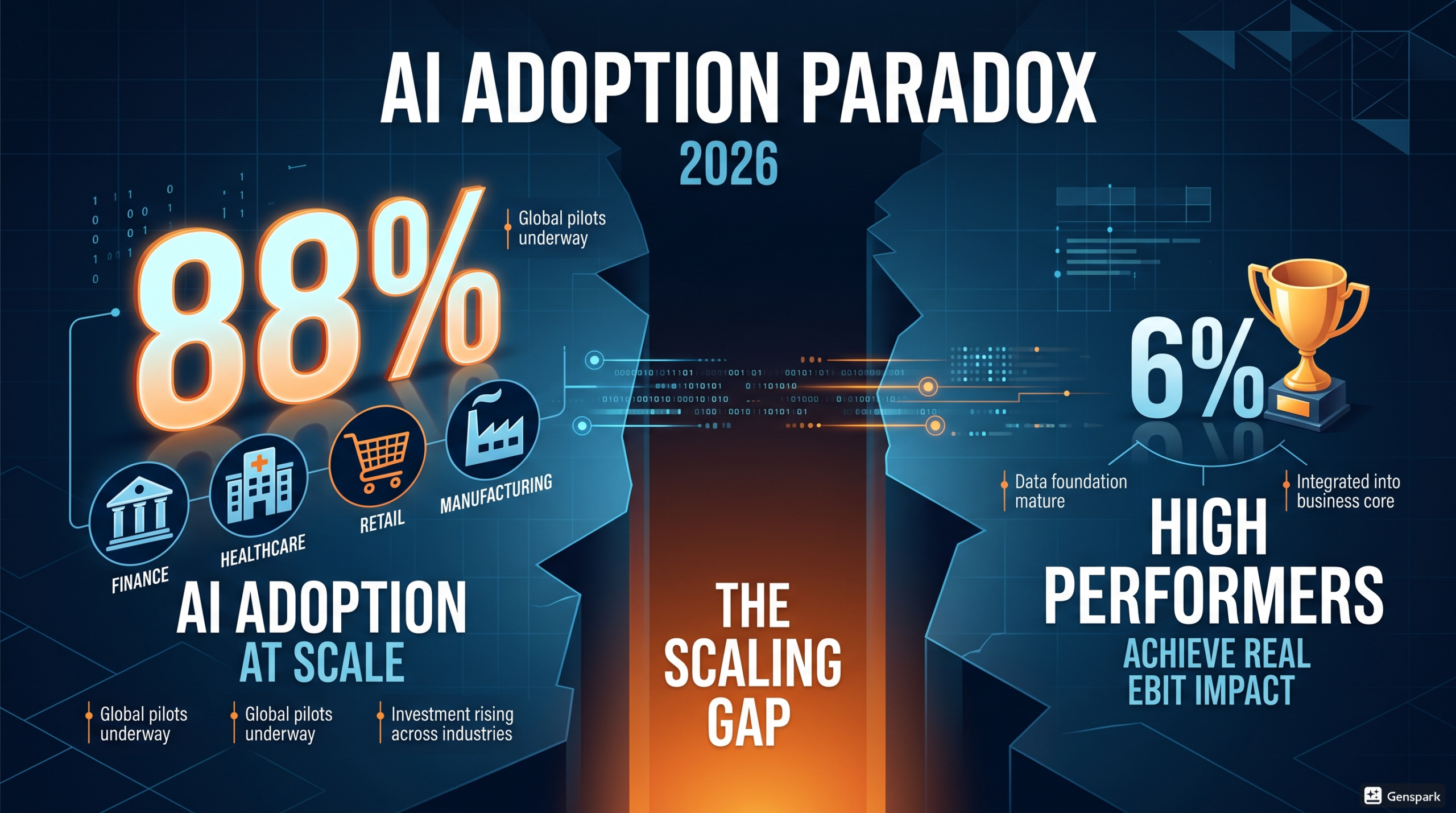
The market is large enough to support ambitious solo operators. OECD data shows that in 2025, 20.2% of firms reported using AI, more than double the 2023 level, and adoption was especially strong in ICT and professional services, which means buyers increasingly understand and value AI-enabled solutions. Stanford HAI’s 2025 AI Index also reports that corporate AI investment reached $252.3 billion in 2024, while 78% of surveyed organizations reported AI use in 2024, signaling that AI has moved from experimentation into mainstream business operations.
The creator and digital-product economy is also expanding. Recent market reporting places the creator economy in the hundreds of billions of dollars and projects continued fast growth through the end of the decade, which supports more demand for digital products, education, and audience-driven monetization. That said, these are broad market estimates, not guarantees of individual success, so the real challenge is execution, positioning, and distribution.
Best Business Models
The most scalable models usually share three traits: low marginal cost, recurring demand, and simple delivery. AI consulting for local businesses, niche automation setups, and micro-SaaS tools are strong because businesses will pay for time savings, not just novelty. Digital products such as Notion templates, prompt packs, mini-courses, SOP kits, and workflow templates can also scale well because they can be sold repeatedly with minimal fulfillment cost.
Here is a practical way to think about them:
A realistic path to $10K/month is often a mix of one core offer and one adjacent recurring offer. For example, a $499 setup service plus a $49 monthly support plan can hit the target faster than trying to sell only low-priced downloads.
Launch Framework
A strong launch should begin with demand validation, not product creation. Search communities, forums, reviews, and competitor comments for repeated pain points, then pre-sell before building a full version. This reduces the chance of building something impressive that nobody buys.
A clean 30-day launch path looks like this:
- Identify a niche with money and urgency.
- Define one painful problem.
- Create a simple offer and pricing.
- Pre-sell to a small audience.
- Build the minimum viable product.
- Publish a landing page and email sequence.
- Add one traffic channel.
- Improve based on customer feedback.
A useful example is a “workflow kit for real estate agents” that includes lead-response templates, follow-up automations, and listing content prompts. This can be sold as a one-time digital product, then upsold into monthly support or customization.
Positive Impact
The positive contribution of AI-powered products is substantial when they reduce friction in everyday work. In small businesses, AI can help automate email handling, appointment reminders, repetitive documentation, customer support, and basic content production, which frees human workers for higher-value tasks. In sectors like professional services, education, retail, and local operations, that can mean faster turnaround, lower administrative burden, and better service quality.
There is also real social value when AI is used responsibly. Well-designed products can help small teams compete with larger firms, help freelancers package expertise into income, and help nontechnical founders create useful tools faster than before. In that sense, AI can widen access to entrepreneurship and improve productivity without requiring a large upfront team.
Risks And Limits
The negative side is equally important. Many AI businesses fail because they are built around hype, not a real customer problem, and because too many founders copy the same templates, prompts, or “done-for-you” offers. If the product is easy to imitate, price pressure arrives quickly, and customers will switch unless the offer is tied to a specific workflow or niche.
There are also ethical and economic risks. AI can increase output, but it can also spread low-quality content, generic marketing, and over-automated customer experiences if used carelessly. In addition, smaller firms adopt AI more slowly than larger firms, so the benefits are not evenly distributed, which can deepen competitive gaps across industries and regions. A critical approach is to use AI to augment human judgment, not to replace expertise, trust, or accountability.
Realistic Revenue Scenarios
Below are a few realistic paths to $10K/month, with different tradeoffs:
The best option depends on your skills. If you already know a trade, profession, or niche, the fastest win is usually to package that knowledge into a focused AI-enabled offer rather than building a generic product for everyone.
Professional Positioning
To make the business credible, the offer should emphasize outcomes, not buzzwords. Good positioning sounds like “AI workflow system for dental clinics” or “prompt-based content kit for real estate teams,” not “revolutionary AI solution for the future”. Buyers want faster work, fewer errors, and better revenue, not abstract innovation.
Use proof early. Case studies, before-and-after examples, small testimonials, and transparent numbers matter more than polished branding. In 2026, trust is a competitive advantage, especially because the market is crowded with repetitive AI offers and exaggerated income claims.
Recommended Direction
If the goal is to reach $10K/month efficiently, the strongest path is usually a niche service that can later become a product. Start with one painful problem in one industry, validate it with real buyers, and build a system that can be sold repeatedly. That approach creates both income and long-term assets, while also producing genuine productivity gains for clients and workers.
A strong final thesis is this: AI will not make weak business models profitable, but it can make good ones faster, cheaper, and more scalable. Used well, it can improve individual income, strengthen small businesses, and expand access to useful tools across many sectors.