Real Results: Launch AI-Driven Startups and Digital Brands from Side Hustle to Scale in 2026
2AI-driven startups and digital brands can still scale in 2026, but only when they are built on real demand, measurable value, and disciplined execution. The strongest results come from turning AI into a business advantage—not a gimmick—by using it to reduce costs, improve speed, and increase conversion across a narrow market.cubeoyoutubeaistatisticscenter
Market Reality
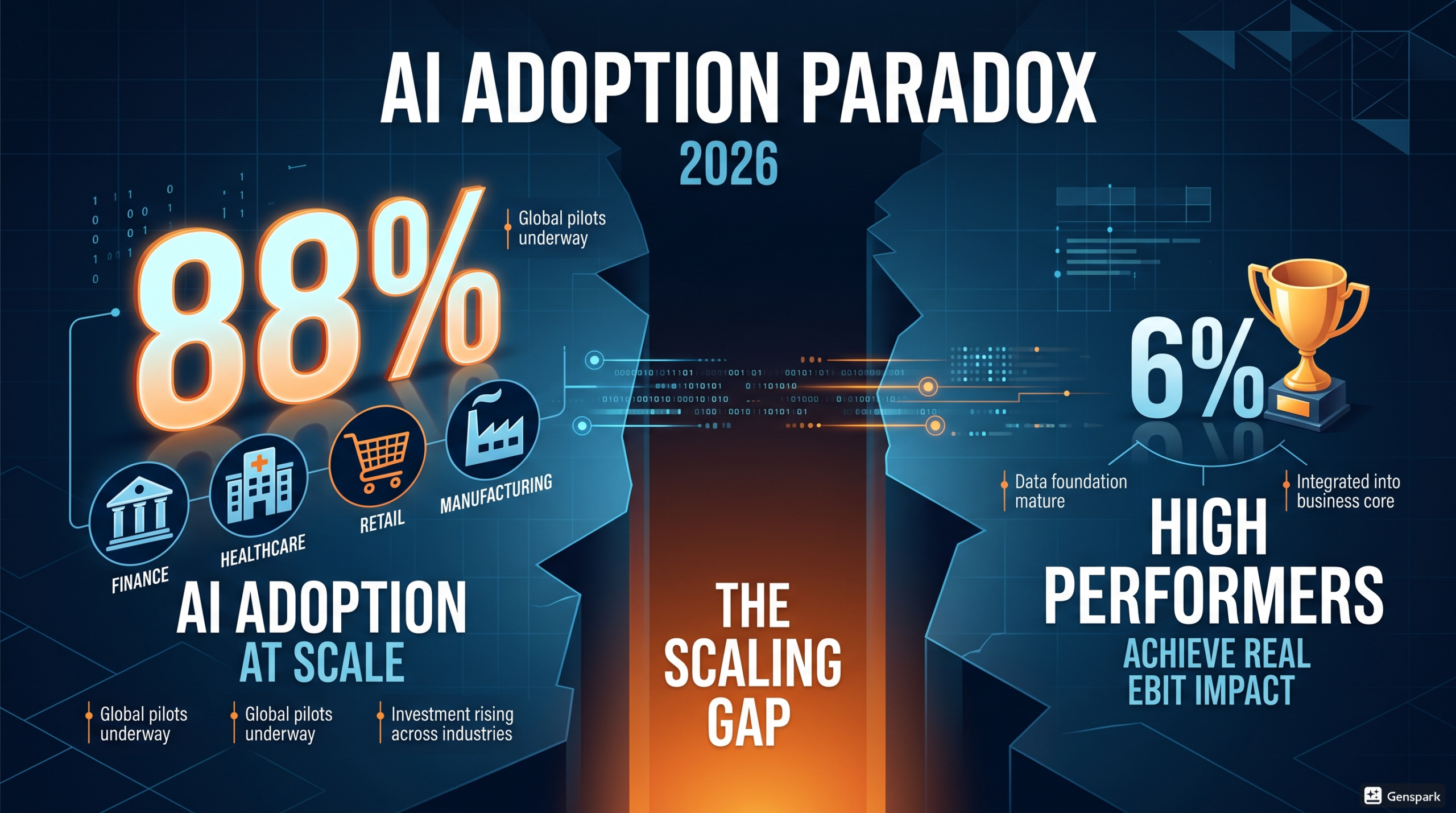
The startup landscape in 2026 is heavily shaped by AI, but success is uneven. One 2026 startup analysis reports that AI-native startups captured 44% of invested capital in 2025 and that AI companies can reach major revenue milestones faster than traditional SaaS, though many early-stage teams still fail to move beyond experimentation. That is an important warning: AI can accelerate growth, but it does not remove the need for product-market fit, retention, and operational discipline.aistatisticscenter+1youtubecubeo
At the brand level, AI is changing how companies acquire attention and convert it into revenue. Brands using AI for predictive analytics, personalization, and omnichannel orchestration are reporting stronger growth, but only when those systems are tied to clear metrics like CAC, LTV, ROAS, and retention. In other words, AI is strongest when it supports a business model that already works.irpryoutube
What Works Best
The most effective path from side hustle to scale is usually simple: validate one problem, package one offer, and grow through systems. That might mean a digital product, a productized service, a small SaaS tool, or a brand-first media business that later adds recurring offers. The best founders do not try to build everything at once.cubeo+1
| Model | Why It Works | Main Risk |
|---|---|---|
| Digital products | Fast to launch, low marginal cost cubeo+1 | Easy to copy |
| Productized services | Fastest path to early revenue youtuberevenuememo | Can become labor-heavy |
| Micro-SaaS | Recurring revenue and automation leverage cubeo+1 | Support and churn |
| Brand-led business | Trust compounds over time irpryoutube | Slower initial growth |
A useful rule is to start with the smallest offer that solves a painful problem. That reduces risk and lets you test demand before investing in a larger product or team.revenuememo+1
Growth Mechanics
Growth in 2026 depends less on vanity metrics and more on efficiency metrics. The clearest indicators are CAC, LTV, ROAS, retention, and conversion rate, because those show whether a business can scale profitably. If the unit economics do not work, more traffic will only increase losses.youtubeirpr
A practical growth path looks like this:
- Identify one market with a clear pain point.
- Validate demand with direct outreach or content.
- Launch a narrow offer with simple delivery.
- Measure conversion, retention, and customer feedback.
- Add automation only where it improves margin or speed.
- Expand into adjacent products after proof.
That framework matters because many AI businesses fail by scaling too early. In one 2026 analysis, AI startups had strong upside but still faced high failure rates when they lacked market demand or a defensible workflow.youtuberevenuememo
Positive Scenarios
The upside is significant when AI is used responsibly. A freelancer can turn expertise into a digital product and use AI to speed up research, content creation, and support. A small agency can automate onboarding and reporting to serve more clients without hiring too quickly. A startup can use AI to test offers faster, improve customer experience, and reduce repetitive work.accioyoutubeaistatisticscenter+1
The social value is also real. AI can help small businesses compete with larger firms, create new income opportunities for individuals, and improve access to useful products and services in education, marketing, retail, and professional services. When applied well, AI can raise productivity and widen participation in entrepreneurship.youtubeaistatisticscenter
Negative Scenarios
The risks are just as real. Many AI startups fail because they are thin wrappers over existing tools, built without differentiation or durable customer demand. Others fail because they rely on generic AI content that weakens trust, or because they scale marketing before the offer is strong enough to retain customers.nencmediagroup+2youtube
There is also a broader societal risk. If AI is used mainly to mass-produce content, automate low-value work, or exaggerate results, it can flood markets with noise rather than create value. In that case, AI becomes a shortcut to saturation, not a path to progress.youtubenencmediagroup
Sector Contribution
AI-driven startups and digital brands can make a genuine contribution across multiple sectors. In marketing and media, they speed up content and improve targeting. In education, they make training materials easier to produce and personalize. In services and operations, they reduce repetitive work and improve response time.irpr+1youtube
| Sector | Real Contribution | Caution |
|---|---|---|
| Marketing | Better segmentation and faster content youtube | Over-personalization can feel invasive |
| Education | Scalable learning assets aistatisticscenter | Quality control is essential |
| Services | Lower admin load and faster delivery cubeo | Over-automation can reduce trust |
| E-commerce | Better product content and support irpr | Generic output can hurt brand equity |
The real contribution is not just efficiency. It is also access: AI makes it easier for small teams, solo founders, and undercapitalized entrepreneurs to build something useful without needing a large staff or major infrastructure.aistatisticscenter+1
What Strong Operators Do
The most successful founders in 2026 tend to do three things well: they choose a specific niche, they track business metrics instead of hype metrics, and they build systems that compound over time. They also understand that AI should be used to strengthen a business model, not to hide weak strategy.youtubeaistatisticscenter
A disciplined operator usually focuses on:
- One audience.
- One painful problem.
- One clear offer.
- One measurable growth loop.
- One path to recurring revenue.
That mindset is what turns a side hustle into a scalable brand or startup.revenuememo+1
Final Assessment
Real results in 2026 come from using AI to create value faster than competitors, not from chasing viral business ideas. The best outcomes happen when AI supports product-market fit, stronger unit economics, and better customer experiences. The worst outcomes happen when founders confuse automation with strategy or speed with substance.accio+2youtube+1