The Ultimate 2026 Guide to AI Side Hustles: Launch Digital Products and Profitable Startups
1AI side hustles in 2026 are real business opportunities, but the winners are the people who build around specific problems, not generic trends. The best results come from combining AI with product thinking, niche positioning, and consistent distribution.mckinsey+1
Why This Matters
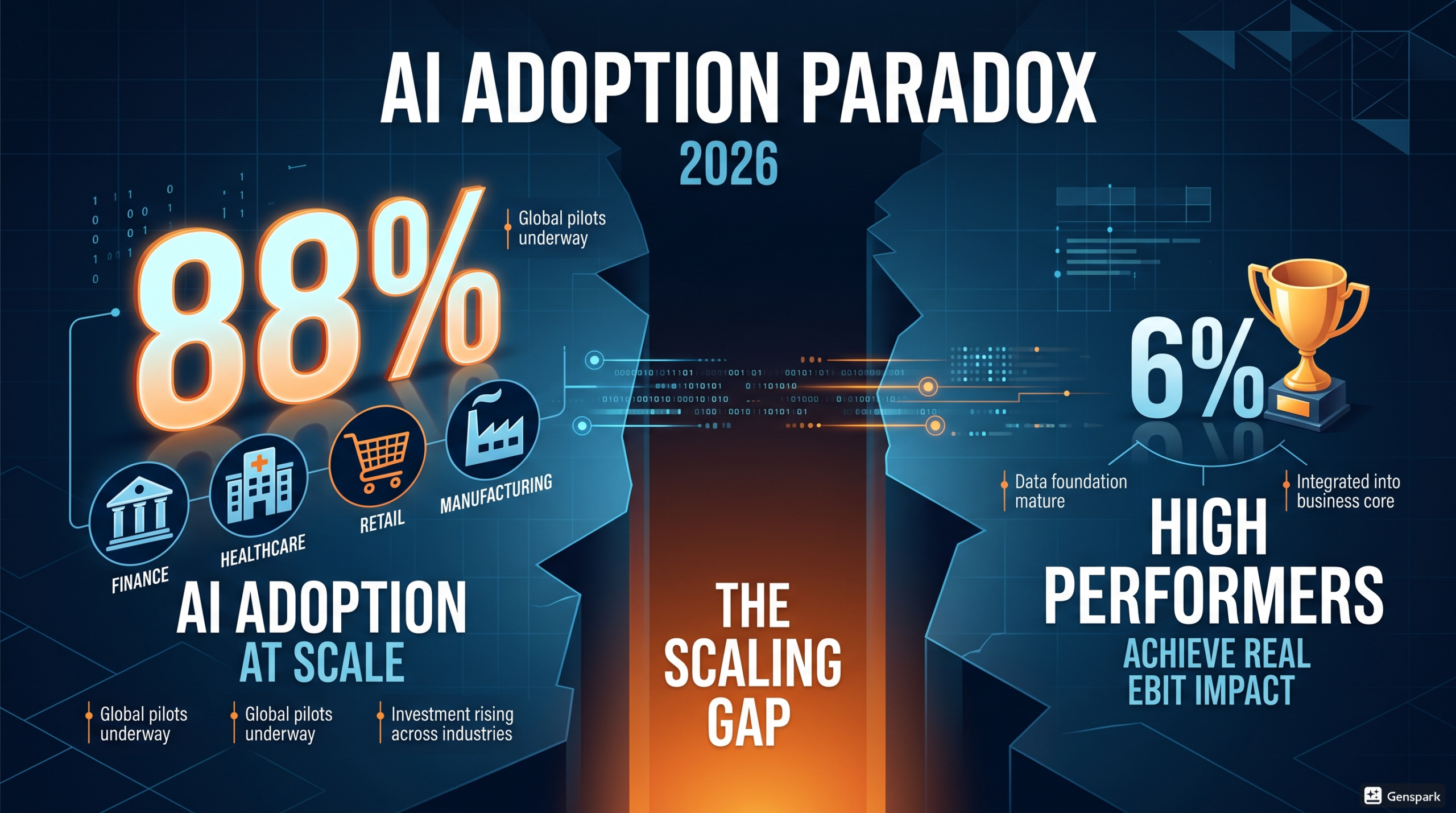
AI is now mainstream across business functions, but value creation is uneven. McKinsey’s 2025 global survey found that 88% of organizations use AI in at least one function, yet only about 6% qualify as high performers, which shows that adoption alone does not guarantee profit. OECD research also says AI can raise productivity and reduce defects when firms adopt it well, especially when they invest in skills, training, and workflow redesign.report-ai+3
For side hustlers, this creates a window of opportunity. Small operators can move faster than large firms, test offers cheaply, and serve narrow niches that big companies often ignore.oecd+1
1. Niche Problem Solving
The strongest AI side hustles solve one painful, expensive, or repetitive problem for one audience. That could be content repurposing for creators, lead follow-up automation for local businesses, résumé optimization for job seekers, or customer support workflows for small e-commerce shops. The clearer the pain point, the easier it is to sell.trendharvest+1
The upside is speed to revenue. The downside is that broad “AI for everyone” offers usually fail because they are too vague and too easy to copy.ai-native-playbook+1
2. Digital Products
Digital products remain one of the cleanest entry points because they are low cost to create and easy to distribute. Common examples include templates, prompt packs, SOP kits, Notion systems, mini-courses, and niche playbooks. These products work best when tied to a real workflow, not just a trendy AI wrapper.youtubebooks.googleyoutube
| Product type | Best use case | Strength | Weakness |
|---|---|---|---|
| Templates | Repetitive business workflows | Fast to build and sell youtube | Easy to imitate |
| Prompt packs | Niche tasks and content systems | Low production cost books.google | Often commoditized |
| Mini-courses | Teaching a specific process | Higher perceived value books.google | Requires trust |
| SOP kits | Teams and agencies | Strong business utility youtube | Needs good documentation |
The positive side is scalability and margin. The negative side is oversupply, especially in crowded marketplaces where many products look identical.finance.yahooyoutube
3. Productized Services
A very realistic route to profit is to package AI help into a fixed offer. Instead of “freelance AI consulting,” sell something concrete like “AI content system setup,” “local business chatbot setup,” or “weekly AI-powered content repurposing”. This makes the offer easier to understand and easier to price.trendharvest+1
| Service model | Typical buyer | Why it sells |
|---|---|---|
| AI content repurposing | Creators and media brands | Saves time and increases output trendharvest |
| AI automation setup | Small businesses | Reduces admin work oecd |
| AI marketing systems | Agencies and brands | Improves consistency and scale radigitalworld+1 |
| AI training workshops | Teams and founders | Builds internal capability mckinsey |
This path is good for cash flow, but it can become labor-heavy if every client needs custom work. The smartest operators standardize delivery and use templates to keep margins healthy.mckinsey+1
4. Micro-SaaS
Micro-SaaS is one of the best startup models for people who want recurring revenue. AI makes it easier to build narrow tools that summarize, classify, generate, or route information inside a very specific workflow. Examples include tools for recruiters, creators, small agencies, sales teams, or industry-specific operations.aijournalnow+1
The positive case is strong because recurring revenue can compound. The negative case is support, maintenance, and the risk that larger platforms copy the feature later. A strong niche and a real workflow moat matter more than the model alone.report-ai+1
5. AI Content Brands
AI can accelerate content production, but the best brands use it as a multiplier, not a replacement. Brands that publish useful research, founder commentary, case studies, and educational content can grow faster because they build trust and awareness at the same time. This matters even more now that AI search and AI Overviews change how discovery works online.brandloom+2
The upside is reach. The downside is that mass-produced generic content is losing effectiveness, and in many cases it damages brand credibility. The best content brands combine AI drafting with human insight and original examples.pixarts+2
6. Sales And Automation
AI is extremely useful for sales follow-up, CRM cleanup, lead scoring, support triage, and internal workflow automation. These tasks are repetitive, measurable, and usually easier to automate than core creative or strategic work. For side hustlers, automation often becomes the hidden lever that makes small operations feel like much larger businesses.oecd+1
A simple rollout sequence is:
- Find a repetitive task.
- Measure time loss or revenue leakage.
- Automate one step only.
- Keep human review where mistakes are costly.
- Track conversion, speed, and errors.
The risk is over-automation. In sensitive sectors such as healthcare, legal, finance, and education, AI should assist decision-making, not replace responsibility.mckinsey+1
7. Community-Led Growth
The most durable AI brands are not just tool sellers; they are trust builders. Community-led growth means building an audience, collecting feedback, and letting users shape the offer over time. This is especially valuable for digital products and startups because early customers often become the best marketers.sidehustleschool+1
| Growth path | Strength | Risk |
|---|---|---|
| Newsletter | Direct audience access | Slow early growth sidehustleschool |
| LinkedIn authority | Strong B2B credibility | Platform dependence brandloom |
| YouTube education | Durable discovery | High content effort youtube |
| Private community | Strong retention | Harder to scale ai-native-playbook |
This strategy contributes to society by making useful knowledge more accessible and by helping small founders compete with bigger firms. The negative side is that communities can become echo chambers if they reward hype instead of proof.report-ai+1
Realistic Revenue Paths
Here are a few practical side-hustle paths with different tradeoffs:
| Path | Revenue logic | Speed | Scalability |
|---|---|---|---|
| Template business | Sell many low-ticket products | Medium | High youtube |
| Productized service | Sell fixed deliverables | Fast | Medium trendharvest |
| Micro-SaaS | Monthly subscription | Slow | Very high aijournalnow |
| Content brand | Audience → products → sponsors | Slow | High brandloom |
| Automation consulting | Business process savings | Fast | Medium oecd |
A realistic approach for many beginners is to start with a service, learn the market, then turn repeated work into a product. That reduces risk and increases the chance of finding real demand before building software.oecd+1
Social Value
AI side hustles can create real social value when they improve access, reduce busywork, and help small businesses compete. They can support solo founders, freelancers, and local companies by lowering the cost of content creation, customer support, and operational efficiency. In that sense, they can broaden participation in the digital economy.oecd+1
The caution is that not all AI activity is productive. If people use AI mainly to mass-produce low-quality content, manipulate attention, or sell shallow products, the social benefit falls sharply. The strongest contribution comes from tools and services that save time, improve quality, and help people do better work.pixarts+3
Final Direction
The best 2026 AI side hustles are narrow, useful, and built around real workflows. Focus on a niche, package one clear offer, validate it quickly, and use AI to increase speed rather than to hide weak strategy. That is the difference between a temporary hustle and a sustainable digital brand or startup.