How to Turn AI into a 6-Figure Startup: Digital Products, Side Hustles & Brand Growth in 2026
1AI can absolutely be turned into a six-figure startup in 2026, but not by chasing vague trends or copying generic prompts. The most reliable path is to use AI to solve a real business problem, package that solution into a sellable offer, and grow it through content, systems, and trust.helenadibiase.substackyoutube
The strongest AI startups in 2026 are built around leverage: one founder, one clear niche, one painful problem, and one repeatable revenue engine. This can take the form of a productized service, a digital product, a micro-SaaS tool, or a brand-led business that later expands into recurring income. The opportunity is real because AI lowers the cost of research, creation, support, and automation, making it easier for small teams to compete with larger companies.ai-native-playbook+3
At the same time, the market is crowded, and many AI businesses fail because they are built around novelty instead of customer demand. The winners are not the ones who say “AI” the loudest; they are the ones who deliver measurable value faster, cheaper, or better than the alternative.nencmediagroup+1
Why 2026 Is Different
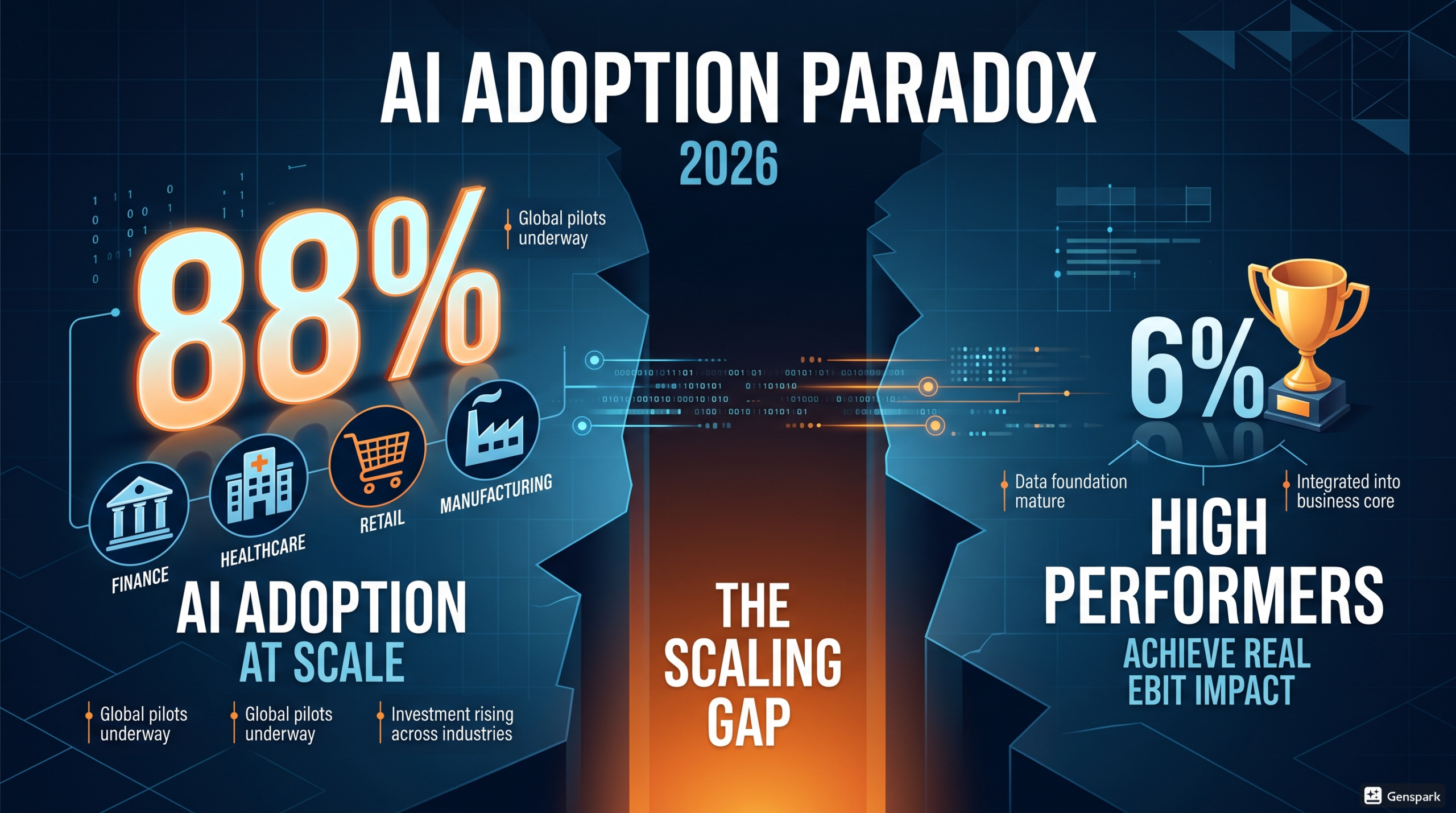
AI adoption is no longer limited to experimentation. McKinsey’s 2025 survey found that 88% of organizations use AI in at least one function, but only about 6% are high performers, which means the gap between “using AI” and “making money from AI” is still wide. OECD research also notes that AI adoption can improve productivity and lower defect rates when firms invest in skills and workflow redesign.mckinsey+3
That creates a clear opening for small founders. A solo operator can move faster than a large organization, test offers in days rather than quarters, and serve underserved niches with lower overhead. But the same environment also means that low-quality offers spread fast, and buyers are more skeptical than before.lumichats+3
Core Startup Models
The most realistic six-figure AI startup models in 2026 usually fall into four categories: digital products, productized services, micro-SaaS, and brand-led funnels. Digital products work because they are cheap to produce and easy to distribute. Productized services work because they bring in cash quickly. Micro-SaaS works because recurring revenue scales well. Brand-led funnels work because trust compounds over time.books.googleyoutubehelenadibiase.substack
| Model | Best Use Case | Revenue Logic | Main Risk |
|---|---|---|---|
| Digital products | Templates, prompts, SOPs, mini-courses | Sell repeatedly with low delivery cost books.googleyoutube | Easy to copy |
| Productized services | Automation, content systems, audits | Fixed offer, fast revenue youtube+1 | Labor can scale too far |
| Micro-SaaS | Narrow workflow problems | Subscription revenue helenadibiase.substackyoutube | Maintenance and support |
| Brand-led business | Audience-first growth | Content → trust → sales level8youtube | Slow initial traction |
The best model depends on your skill set. If you already understand a niche, the fastest route is usually a productized service that can later become a product or software layer.youtubehelenadibiase.substack
Growth Framework
A six-figure AI startup needs a growth system, not just a good idea. The simplest framework is: validate a pain point, build a narrow solution, launch to a small market, and improve the offer based on real feedback. This reduces the odds of building something nobody wants.helenadibiase.substack+1
A strong launch sequence looks like this:
- Pick one niche with money and urgency.
- Identify one expensive or repetitive problem.
- Build one offer that solves it clearly.
- Get first users through direct outreach or content.
- Standardize delivery with templates and automation.
- Add recurring revenue or upsells.
- Expand into adjacent products only after proof.
This approach is especially effective for creators, consultants, and freelancers who already have domain knowledge. It is also safer than building broad AI products with no customer-specific use case.youtubeai-native-playbook
Brand Growth With AI
Brand growth in 2026 depends on visibility, authority, and consistency. AI can help founders produce more content, test more messaging, and respond faster to market feedback. But the strongest brands still rely on human positioning, original perspective, and trust.level8youtube
| Brand Activity | AI Advantage | Human Requirement |
|---|---|---|
| Content creation | Faster drafts and repurposing level8 | Voice, insight, editorial judgment |
| Customer support | Faster response and triage mckinsey | Escalation handling |
| SEO and discovery | More content variations pixarts+1 | Authority and relevance |
| Offer development | Faster testing and iteration ai-native-playbook | Strategic direction |
There is also a major downside: AI-generated content saturation can weaken brands if they publish too much generic material. In a crowded market, originality and proof matter more than volume.creatifystore+1
Positive And Negative Scenarios
The positive scenario is powerful. A founder uses AI to build a niche service, packages it into a digital product, then turns that into a subscription or software tool. This creates revenue, job opportunities, and better access to useful tools for small businesses, freelancers, and nontechnical creators.ai-native-playbook+1
The negative scenario is equally important. A founder copies viral AI tactics, sells low-value content, overpromises results, and burns trust quickly. In that case, AI becomes a shortcut to low-quality output rather than a real business engine. The market is already full of exaggerated claims, so credibility is now a competitive advantage.nencmediagroup+1
Sector Contribution
AI startups and side hustles can create real value across many sectors when they are built responsibly. In retail and e-commerce, they improve product pages, support, and personalization. In education, they can help create adaptive learning materials. In professional services, they reduce admin work and speed up delivery.oecd+2
| Sector | Real Contribution | Caution |
|---|---|---|
| Retail | Faster merchandising and support level8 | Generic automation can hurt trust |
| Education | Scalable learning assets helenadibiase.substack | Quality must stay high |
| Services | Better client workflow efficiency oecd | Over-automation can reduce care |
| Media | Faster content production youtube | Content fatigue and sameness |
The broader social value is meaningful when AI helps people work smarter, access better services, and build income without needing large teams or heavy capital. The risk is that AI can widen inequality if only larger firms capture the biggest gains.report-ai+1
What A Strong Plan Looks Like
If your goal is a six-figure AI startup, the practical blueprint is straightforward: start with a narrow pain point, create a simple offer, prove demand quickly, and build systems that let revenue compound. Focus first on one market and one outcome, not on a huge platform or a broad audience.helenadibiase.substack+1
A realistic path might look like this:
- Month 1: Validate demand and get first customers.
- Month 2: Refine the offer and build delivery systems.
- Month 3: Add content, referrals, or paid traffic.
- Month 4 to 6: Introduce recurring revenue.
- Month 6 onward: Expand into adjacent products or software.
That path is not glamorous, but it is far more realistic than hoping AI alone will create a business. AI is the accelerator; the business model is still the engine.mckinsey+2
Final Assessment
Turning AI into a six-figure startup in 2026 is very achievable, but only if the founder combines speed with discipline. The most durable businesses will be built on real customer pain, clear positioning, and systems that scale without sacrificing quality. AI can absolutely increase productivity and access, but it rewards founders who create value, not noise.creatifystore+4