7 Proven AI Strategies to Build and Grow Digital Brands and Startups in 2026
3AI in 2026 is no longer a novelty; it is a practical growth layer for brands that want faster execution, sharper personalization, and better unit economics. The strongest strategies are the ones that combine AI with clear positioning, human judgment, and measurable outcomes.mckinsey+1
Market Reality
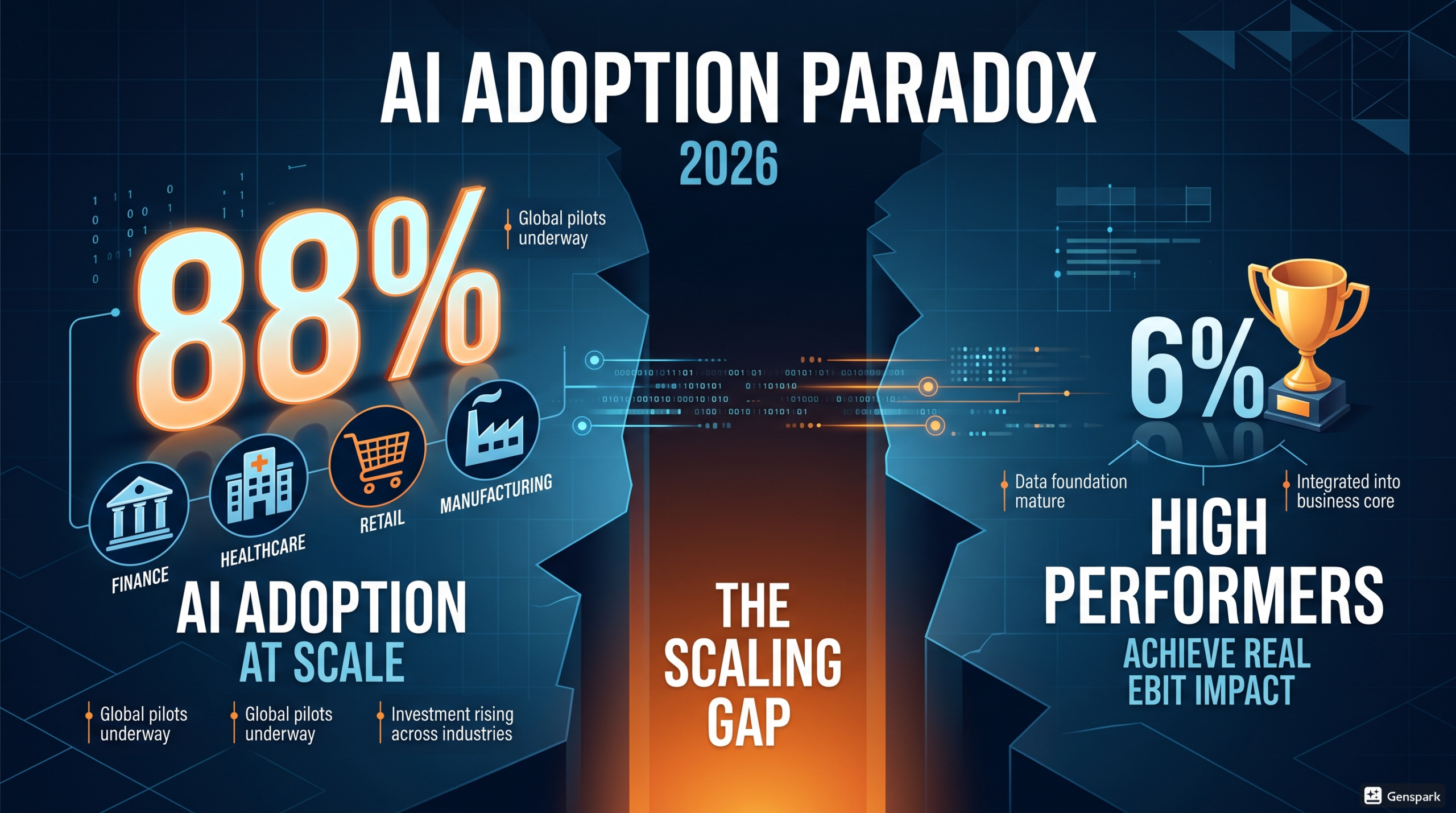
The business case for AI is strong, but value is concentrated among companies that redesign workflows instead of merely adding tools. McKinsey’s 2025 survey found that 88% of organizations used AI in at least one function, yet only about 6% qualified as “AI high performers,” showing that adoption alone does not create advantage. Stanford HAI’s 2025 AI Index also shows that corporate AI investment reached $252.3 billion in 2024 and that AI usage is now widespread across organizations, which means competition is intense and the bar for differentiation is higher.report-ai+2
For digital brands and startups, that means the winning play is not “use AI everywhere.” It is “use AI where it improves speed, relevance, or margin in a way customers can feel”.mckinsey+1
Strategy 1: AI-Led Research
The first proven strategy is to use AI for market research, customer insight, and opportunity mapping. Teams can mine reviews, forums, search intent, and support tickets to identify pain points faster than manual research alone. This is especially useful for startups that need to validate a niche before investing in product development.youtubeoecd
The positive side is speed and clarity. The negative side is that AI can over-summarize weak signals or repeat the same generic market logic, so founders still need human judgment and direct customer interviews.oecd+1
Strategy 2: Personalization
AI-driven personalization is one of the clearest ways to improve conversion and retention. Brands can tailor email sequences, product recommendations, landing pages, and support flows based on behavior and stage in the buyer journey. This is valuable for e-commerce, education, SaaS, local services, and creator businesses because relevance often matters more than volume.brandloom+1
Here is a practical view:
| Use case | Benefit | Risk |
|---|---|---|
| Behavioral email flows | Higher open and conversion rates | Can feel invasive if poorly executed brandloom |
| Dynamic landing pages | Better message-match | Needs clean data mckinsey |
| Smart product recommendations | Higher average order value | Can reduce trust if inaccurate brandloom |
Personalization works best when it feels helpful, not manipulative. Over-automation and generic AI messaging can quickly damage brand trust.brandloom+1
Strategy 3: Content Systems
A strong AI content system helps brands publish more consistently without sacrificing quality. The best use is not mass-producing low-value posts, but creating research-backed content, founder-led thought pieces, comparison pages, video scripts, and educational assets that support discovery. In 2026, brands also need content built for AI search surfaces and not just traditional blue-link SEO.pixarts+1
This strategy is positive because it lowers production costs and expands reach. It is negative when businesses flood the web with generic “AI slop,” which weakens brand authority and can reduce engagement. The best results come from combining AI drafting with human editing, original examples, and proprietary insights.pixarts+1
Strategy 4: Workflow Automation
AI automation is one of the fastest ways to improve margins in a startup or digital brand. Common wins include automated lead routing, customer support triage, internal knowledge search, meeting summaries, invoicing, and content repurposing. For small teams, this can create the effect of adding capacity without adding headcount.report-ai+1
A good automation map looks like this:
- Identify repetitive work.
- Choose one workflow with clear time waste.
- Add AI only where accuracy is acceptable.
- Keep human review for sensitive steps.
- Measure time saved and error reduction.
The downside is obvious: over-automation can break the customer experience, create errors, or reduce accountability. In regulated or trust-sensitive sectors, such as finance, healthcare, and legal work, AI should assist people rather than replace review.oecd+1
Strategy 5: Productized Services
For founders and freelancers, productized AI services are one of the most realistic paths to revenue. Instead of selling vague consulting, you sell a fixed offer such as “AI content system for dentists,” “support automation for real estate teams,” or “sales follow-up setup for agencies”. This model is easier to price, easier to deliver, and easier to scale than custom work.youtubeaitoolsinsider1.wordpress
| Offer type | Why it works | Best fit |
|---|---|---|
| AI audit | Fast entry offer | Consultants and agencies oecd |
| Automation setup | Clear business value | Ops-heavy small businesses youtube |
| Content system | Ongoing demand | Brands and creators brandloom |
| Niche training | Scalable expertise | Educators and coaches aitoolsinsider1.wordpress |
The positive impact is real: these services help small firms adopt tools that large enterprises already use. The negative side is that productized services can become commoditized quickly if the promise is too generic or the niche is too broad.report-ai+1
Strategy 6: Niche Micro-SaaS
Micro-SaaS remains one of the strongest startup models for 2026 because it packages one painful problem into a simple subscription product. AI is especially useful here because it can power search, classification, summarization, generation, and workflow assistance inside narrow industries. The best examples usually serve a single audience with a specific job to be done.aitoolsinsider1.wordpress+1
The positive case is recurring revenue and strong product-market fit. The negative case is support burden, technical maintenance, and the risk that a larger platform copies the feature later. That means the moat is usually niche depth, workflow integration, and trust, not just the model itself.aijournalnow+1
Strategy 7: Community and Brand
AI can accelerate brand growth, but it cannot replace brand identity. Strong brands in 2026 are using AI to support positioning, social content, research, and customer service while keeping human-led voice, credibility, and community at the center. This matters because AI search and AI Overviews reward authority, structure, and trust signals, not just output volume.authoritytech+2
The real value of this strategy is long-term resilience. Brands that become known entities are less exposed to traffic volatility, while anonymous content brands are more vulnerable to platform changes. In practical terms, AI should help a brand become more recognizable, not more generic.scaledon+1
Sector Impact
AI-powered digital brands and startups can create value across many sectors. In retail and e-commerce, they improve product discovery and customer support. In education, they enable personalized learning and faster content creation. In professional services, they automate repetitive work and improve client response times.oecd+2
At the same time, the benefits are uneven. Larger firms usually scale AI faster because they have better data, budgets, and governance, while smaller firms can struggle with implementation and quality control. The social upside is meaningful, but only if AI is used to expand access and productivity rather than just cut costs or flood markets with low-quality output.mckinsey+2
Practical Priorities
The most effective 2026 playbook is simple: validate a niche, build one strong offer, automate only what is safe, measure results, and use AI to deepen brand trust. Companies that treat AI as a workflow redesign tool will outperform those that treat it as a content shortcut. For startups and digital brands, the opportunity is real, but so is the need for discipline.